Cruise excursions boost shore time and local spending
Cruise excursions boost shore time and local spending. That is the simple math behind the add-on. You pay for a guided tour or activity through the cruise line.
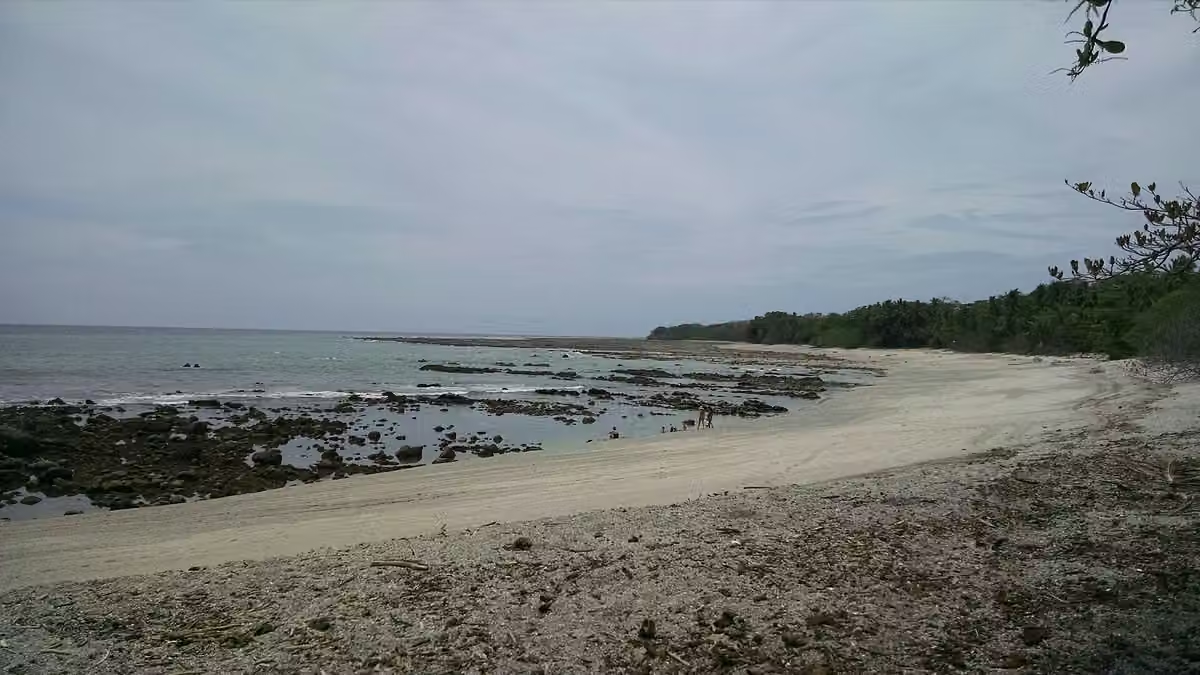
Photo: micah420 / Wikimedia Commons / CC BY 2.0
Cruise excursions boost shore time and local spending. That is the simple math behind the add-on. You pay for a guided tour or activity through the cruise line. You get a seat on a bus, a boat, or a walking group that leaves with the ship’s schedule in mind. The port sees your money flow through local operators who depend on that steady stream of visitors.
I watch how these offers land in real trip plans. The promise is clear. More time on land, less worry about missing the ship, and a cleaner path for your cash to reach the local economy. The catch lives in the fine print and in how people actually move once they step off the gangway.
How excursions shape shore time
An excursion is a pre-booked activity sold by the cruise line for a port of call. It can be a city tour, a beach break, a historical site visit, a snorkel trip, or a food walk. The cruise line contracts with local operators to run these trips. When you book one, you are buying a seat on a managed schedule.
The main gain is time control. Ships dock for a fixed window. In some ports it is four hours. In others it is eight or ten. If you go ashore on your own, you must track the ship’s all-aboard time yourself. You must judge traffic, queue lengths, and return routes. If you miss the ship, the consequences are real and costly.
Excursions remove that burden. The group leaves together and returns together. The cruise line holds the ship if an official excursion runs late. That guarantee is not a small thing. It lets you stay longer at a site without watching the clock every minute. For many travelers, that extra margin is the whole point.
Time on shore also expands because the logistics are handled. Transport is arranged. Tickets are pre-paid. Guides know the entry points and the fastest paths. You do not spend thirty minutes haggling with a taxi or searching for the right bus stop. You step off the tender or the pier and into a plan that moves.
This structure favors certain kinds of ports. In places where attractions sit far from the dock, excursions make sense. A ruin an hour inland, a national park, or a distant beach becomes reachable in a short port call. Without a pre-arranged ride and a fixed return, many people would skip those sites entirely.
Where local spending grows
Local spending rises when excursions run well. The cruise line pays the local operator a bulk rate. That operator hires local drivers, guides, boat crews, and support staff. They buy fuel, food, and supplies in the port community. Your ticket price circulates through that network before you even step off the bus.
On the ground, excursions often include entry fees, tastings, or small purchases built into the itinerary. A food tour stops at three family-run stalls. A cultural visit includes a craft demo where you can buy directly from the maker. A beach break rents chairs and umbrellas from a local vendor. These are small transactions, but they add up across hundreds of passengers per ship.
Ports that depend on cruise traffic plan for this flow. They schedule multiple ships on certain days. They coordinate with tour companies to handle the surge. When excursions are the main channel, the local economy can predict and prepare for that income. It is not perfect, but it is more stable than hoping each passenger will find and choose local options on their own.
There is also a safety and trust factor. Many travelers feel more comfortable spending money when they are part of an organized group. They may buy more souvenirs, try more local food, or book an extra activity because the setting feels controlled. That confidence translates into more cash in local hands.
The honest limit
Excursions are not a free win. They cost more than doing it yourself in many cases. You pay for the convenience, the guarantee, and the logistics. If you are comfortable navigating on your own, speak the local language, and know the area, you can often see more for less by going independent.
Another limit is flexibility. An excursion follows a set route and timetable. If you want to linger at one spot or skip another, you cannot. You move with the group. For some people, that structure is a relief. For others, it feels like a cage.
Weather and sea conditions can disrupt plans. A rough swell may cancel a beach landing. A storm may close a road to a ruin. Excursions can be refunded or rescheduled, but your shore time may shrink or vanish. Independent travelers face the same risks, but they can sometimes pivot faster to a backup plan.
There is also the question of depth. An excursion gives you a curated slice of a place. It is designed to be safe, efficient, and broadly appealing. It may not show you the quiet neighborhood cafe or the local market where residents shop. That is not a failure. It is a trade-off. You gain time and certainty. You lose some spontaneity and local texture.
What matters for your choice
The value of an excursion lives in the match between the offer and your habits. If you worry about missing the ship, if the port is far from the main sights, or if you want a guided explanation of history or nature, an excursion can be worth the premium. If you thrive on wandering, if the dock is steps from the old town, or if you have been to this port before, going solo may suit you better.
Local spending grows either way, but excursions channel it more predictably. That matters to port communities that count on cruise income. It also matters to travelers who want their money to support the people they meet on shore.
I do not book trips for readers. I do not tell you what to do. I watch how these systems work and where they help or hinder. The rule I hold is simple. Choose the option that gives you the shore time you want, with a level of risk you can accept, and a path for your spending that feels right to you.
Before We Sail exists to surface one useful choice, one honest story, and one way to make your next cruise feel more like yours. This piece is that useful choice laid bare. Excursions can expand your day and feed the local economy. They can also cost more and lock you into a schedule. Know what you are buying. Then step off the ship with your eyes open.
Before We Sail
One useful choice, one honest story, and one way to make the next cruise feel more like yours.