American Cruise Lines offers domestic river and coastal voyages.
American Cruise Lines offers domestic river and coastal voyages. That is the plain fact. No foreign ports.
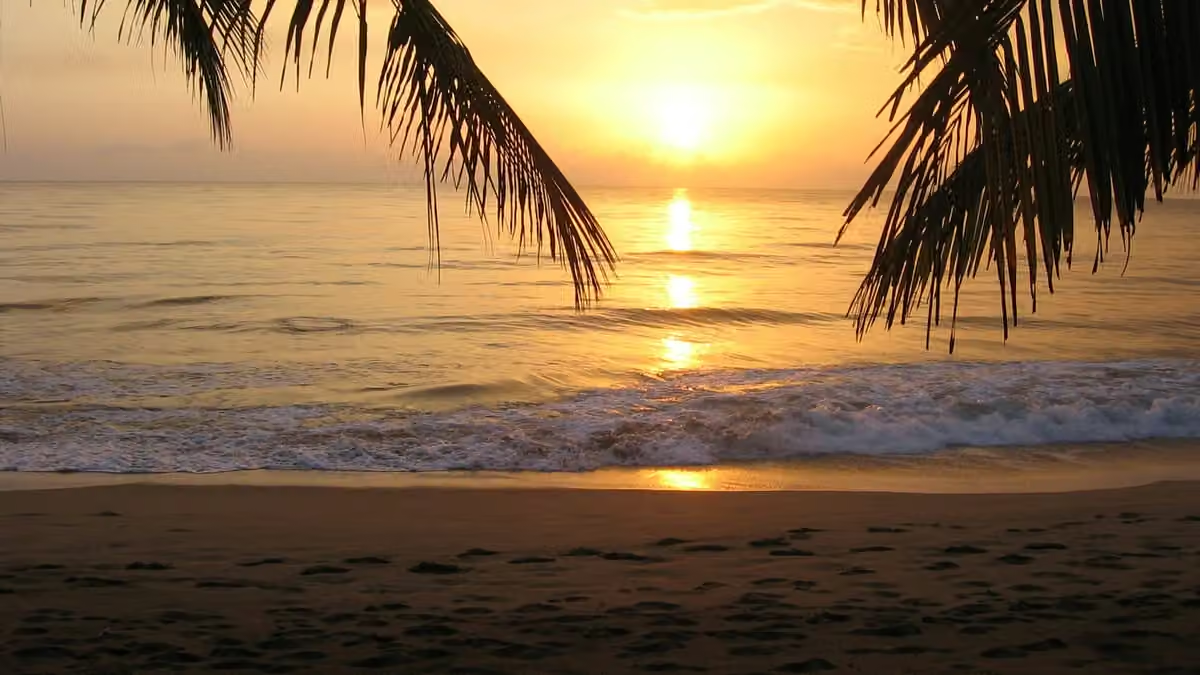
Photo: Bulaclac Paruparu / Wikimedia Commons / CC BY 2.0
American Cruise Lines offers domestic river and coastal voyages. That is the plain fact. No foreign ports. No long flights to reach the ship. The vessel sails in the United States, on rivers and along the coast, and the clock you watch is the one that matters for your day.
I work in Miami, near the water, and I know the feeling of standing on a pier with a ship behind you and a town in front of you. You want to see something real. You also know the ship will not wait forever. That fear is normal. It is part of the trip. The return time is not a suggestion. It is the end of the day.
What “domestic river and coastal voyages” means
Domestic means the ship stays inside the United States. You do not need a passport for most of these sailings, though you should always check current rules before you travel. River voyages move along inland waterways. Think of slow water, low bridges, and towns that grew because the river was there first. Coastal voyages hug the shoreline. They move between ports that face the ocean but do not cross it.
American Cruise Lines is a United States flagged cruise line. That flag matters. It means the ship is registered in the U.S. and follows U.S. rules for safety, crew, and operations. For many travelers, that brings a sense of familiarity. The language on signs, the currency on board, and the way emergencies are handled all line up with what you know at home.
The company operates small ships. Small is not a flaw here. It is the point. A small ship can enter narrow channels, dock close to town, and turn without a tug. On a river, that means you see the banks, the trees, and the houses. On the coast, it means you can reach ports that larger ships skip. You step off the gangway and you are already in the place you came to see.
Time works differently on these routes. Distances are shorter. Ports are closer together. That sounds like more freedom. It is. But it also means the schedule has less slack. If the ship must move at 5 p.m., it will move at 5 p.m. The tide does not argue. The bridge schedule does not bend. Your day ends when the ship says it ends.
Why this matters for a port day
A port day on a domestic river or coastal voyage is not a race, but it has a finish line. You are not trying to beat the ship. You are trying to meet it. That is a different mindset. It asks you to plan backward from the return time, not forward from the arrival time.
Start with the time the ship must sail. That is the hard number. Work back from there. Subtract the time it takes to walk from the farthest point you want to reach. Subtract a buffer for a closed exhibit, a long line, or a wrong turn. What remains is your real time on shore. If that number feels tight, it is tight. Do not pretend it is not.
Local life does not revolve around your ship. The cafe may close at 3 p.m. The museum may be under renovation. The bus may run every 40 minutes, not every 10. These are not failures. They are facts. A domestic voyage lets you see a real place, but a real place has its own rhythm. Respect it. You will see more if you do.
On river routes, the dock is often in the heart of town. You can walk to shops, restaurants, and parks without a shuttle. That saves time and reduces stress. On coastal routes, the dock may be at an industrial pier or a small marina. You might need a short ride to reach the main street. Ask the crew where the taxi stand is before you leave the ship. Note the name of the pier. Take a photo of the ship from the dock. It helps you find your way back.
The fear of missing the ship is real. It keeps people close to the pier. That is fine. A short walk and a coffee with a view is still a port day. If you want to go farther, pick one thing. One museum. One neighborhood. One beach. Do not try to do three. You will spend your time in transit, not in the place.
There is one honest limit to share. Weather, water levels, and mechanical issues can change a schedule. A river can run low. A bridge can close for repairs. A storm can push a coastal sailing to a different port. The cruise line will adjust. You may get a different town, a different view, or a day at sea. That is not a promise of loss. It is a statement of reality. The water and the sky have the final say. Plan your day so that a change does not break your trip.
Small ships also mean fewer passengers. That changes the flow on shore. You will not see a crowd of hundreds spill into the square. You may see a group of 100 or fewer. That is easier on the town and easier on you. Lines are shorter. Tables open up. But it also means the ship has less room to absorb delays. If many people are late, the whole vessel waits. That is why the return time is part of the trip. It belongs to everyone on board.
If you are new to this style of cruising, treat the first port as a test. Stay close. Learn how the gangway works. Note how long it takes to clear security when you return. Watch how the crew calls the last boarding time. Use that knowledge on day two to go a bit farther. This is not caution for its own sake. It is respect for the clock and for the people who depend on it.
Domestic river and coastal voyages give you a clear trade. You give up the long ocean crossing and the foreign stamp in your passport. You gain time in the place, a familiar flag, and a schedule that fits a week of vacation without a long flight. The ship is the hotel. The river or the coast is the road. Your job is to choose one thing to see, leave a buffer, and be back before the horn sounds.
Before We Sail exists to help you make that choice with eyes open. One useful choice, one honest story, and one way to make the next cruise feel more like yours. On a domestic voyage, the useful choice is often the simplest one. Pick the return time first. Build the day around it. The rest will follow.
Before We Sail
One useful choice, one honest story, and one way to make the next cruise feel more like yours.